
How to Choose the Best Optional Subject for UPSC Mains?
The UPSC Civil Services Mains Examination consists of nine papers, out of which two papers are from the optional subject, carrying a total of 500 marks. Choosing the right optional subject is crucial as it can significantly impact your final ranking. Many aspirants struggle with this decision, often selecting subjects based on popularity rather than personal strengths and interests.
A well-chosen optional subject can help you score high and reduce your study burden, while a wrong choice can make preparation difficult. To make the best decision, consider various factors such as interest in the subject, syllabus length, overlap with General Studies, and availability of resources.
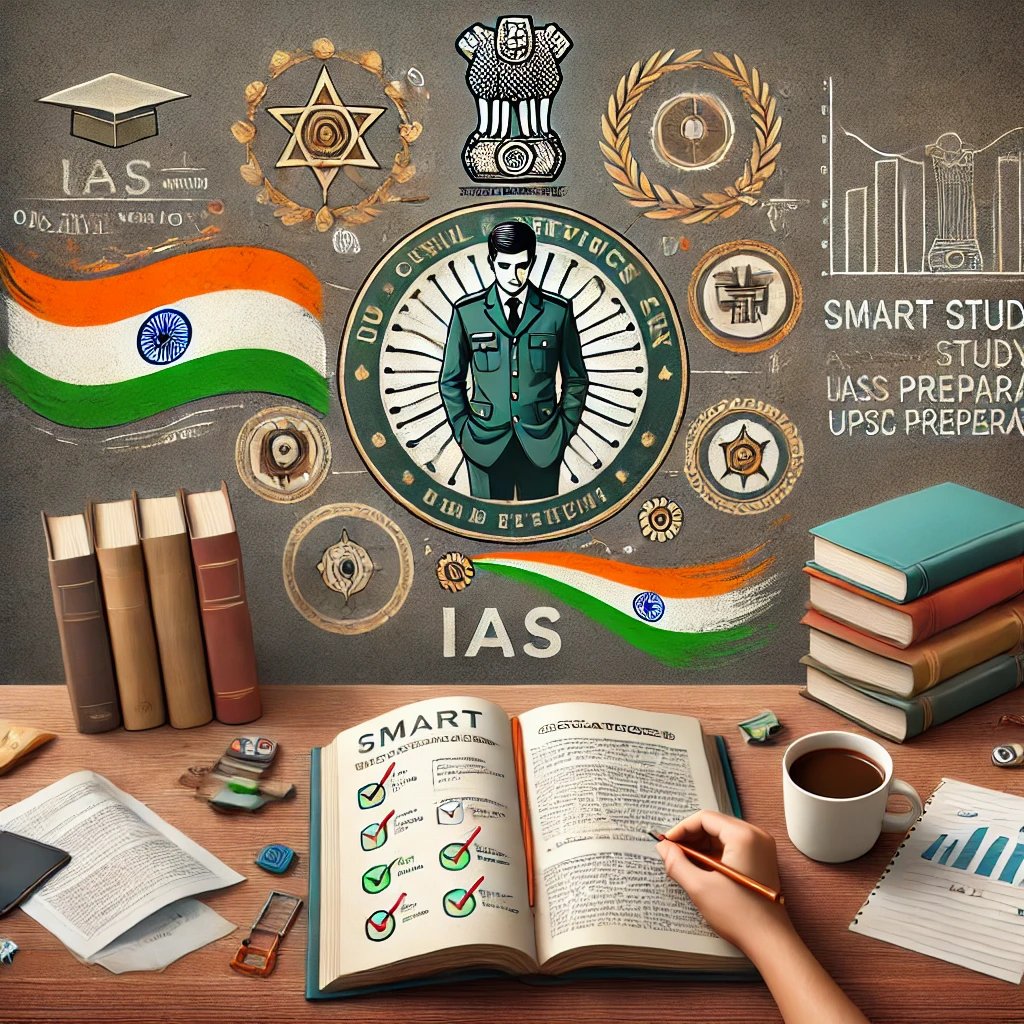
10 Common Mistakes UPSC Aspirants Make and How to Avoid Them
The UPSC Civil Services Examination (CSE) is one of the toughest and most prestigious exams in India. Every year, lakhs of aspirants start their preparation with great enthusiasm, but only a few make it to the final list. While hard work and dedication are important, avoiding common mistakes can significantly improve your chances of success. Many aspirants unknowingly follow wrong strategies, waste time on unnecessary activities, or fail to plan properly.
In this post, we will discuss 10 common mistakes UPSC aspirants make and provide practical solutions to avoid them.

UPSC Civil Services Examination (CSE) – Complete Guide
The UPSC Civil Services Examination (CSE) is one of the toughest and most prestigious exams in India. It is conducted by the Union Public Service Commission (UPSC) to recruit officers for the Indian Administrative Service (IAS), Indian Police Service (IPS), Indian Foreign Service (IFS), and other central services. The exam has three stages: Preliminary Examination (Prelims), Main Examination (Mains), and the Personality Test (Interview). Candidates must have a bachelor’s degree from a recognized university. The age limit for general category candidates is 21 to 32 years, with relaxation for reserved categories. The exam requires strong preparation as the success rate is very low.
Read More